There’s a Reason You’re Built This Way
There’s wisdom in how The Creator designed your body.
Every part of you—your muscles, organs, senses—has a specific purpose.
Your eyes face forward to see where you’re headed.
Your nose is between your eyes and mouth so you can smell what you eat.
Your core? It stabilizes your entire structure so you can stand tall, lift, push, pull, and move.
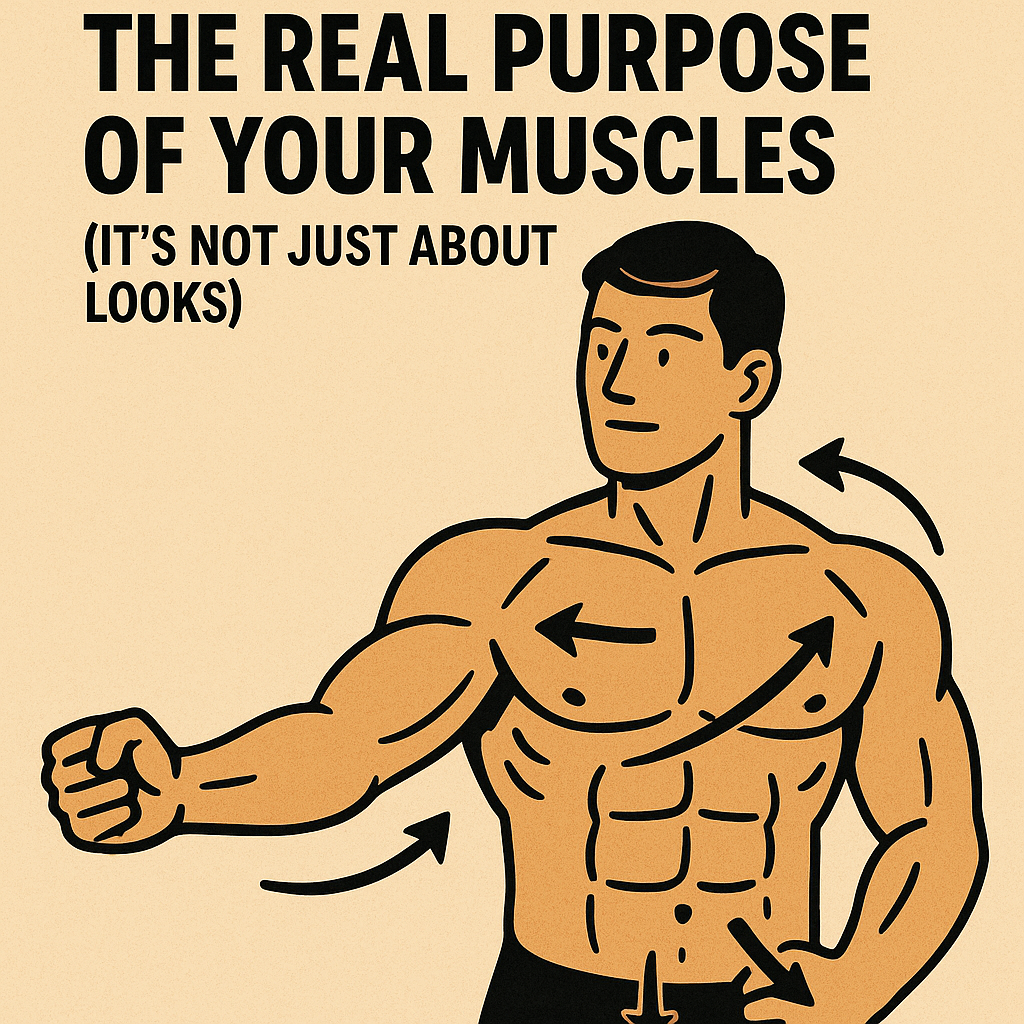
Muscles aren’t decoration. They’re functional tools built for real life.
- Pecs move your arms across your body.
- Biceps pull your arm in.
- Triceps extend your elbow.
- Erector spinae protect your spine during lifting.
- Core muscles brace your torso under load.
Every muscle has a job. None of this was random.
Why Injuries Happen (And Why Most Are Preventable)
Here’s the hard truth:
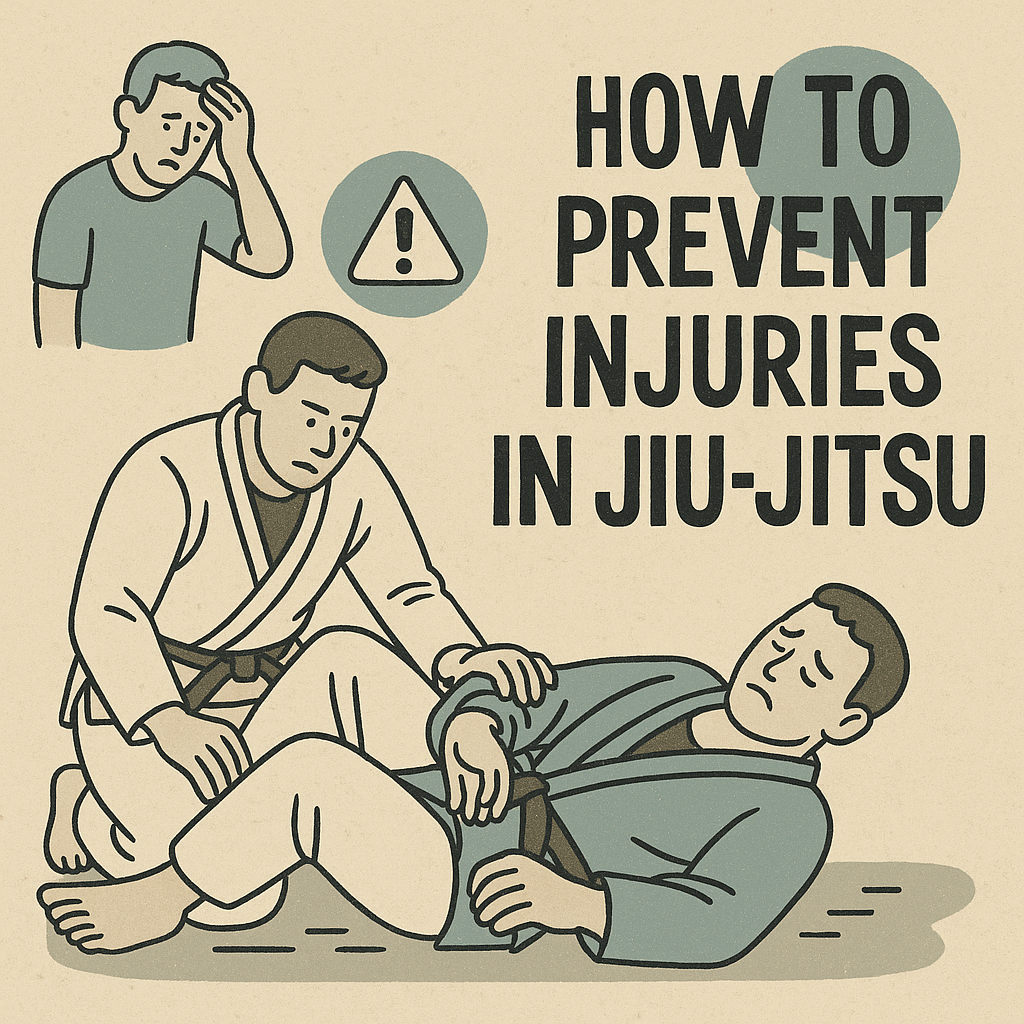
Most injuries happen not because of freak accidents—but because your body wasn’t prepared for the force it experienced.
We’re talking normal stuff:
- Lifting your kid
- Picking up a box
- Playing casual football
- Cleaning the house
If your muscles are weak—or your neural patterns aren’t conditioned for movement—you’re exposed.
Pain is your body’s alarm saying, “I’m not ready for this.”
🔥 Resistance Training as a Tool for Preventing and Treating Musculoskeletal Injuries
Your Body Is a Trust—Treat It Like One
As a Muslim, I believe the body is an amanah (trust) from God.
You don’t return a borrowed car in worse condition than you got it—so why do that with your body?
Taking care of it means:
- Training your muscles
- Strengthening your joints
- Learning better movement patterns
- Being physically prepared for everyday demands
This isn’t about being elite. It’s about honoring the gift.
Strength = Injury Prevention
You don’t need to live in the gym.
Two to three sessions a week. 45–60 minutes. Basic resistance training.
That’s enough.
We don’t skip brushing our teeth. Why skip training the structure that carries us through life?
Training isn’t “extra.” It’s hygiene.
Start before your back gives out. Before the shoulder tweaks. Before the knee collapses.
Prehab > Rehab
Most people don’t care about health—until something breaks.
But smart people play offense.
Sure, your chiropractor might crack your back or give you meds—but even he’ll tell you:
“If you don’t build strength, this will come back.”
Build the armor now.
Muscle Mass = Longevity, Health, and Resilience
Muscle mass is one of the strongest predictors of:
- Longevity
- Chronic disease protection (including cancer)
- Stronger bones
- Faster injury recovery with age
📚 Muscle Mass and Risk of Chronic Disease and Mortality
Training also helps mentally:
🧠 Resistance training improves cognitive function and mental health
It reduces anxiety, sharpens your mind, and boosts your mood.
No pill can replicate that.
The Problem With Training Just for the Mirror
Social media’s flooded with six-packs and beach shots.
But aesthetics ≠ strength.
I like looking fit too—but that’s a byproduct. Not the mission.
People isolate muscles for size—but forget their real function.
When you train for movement and strength, the looks follow naturally.
Focus on health. Strength. Function.
Final Takeaway: Honor the Purpose of Your Body
Muscles aren’t there just to look good on camera.
They’re designed to:
- Move
- Lift
- Push
- Pull
- Stabilize
- Protect
Don’t wait for injury to humble you.
Train now. Respect the body you were given.
Function over flex. Strength over show. Prehab, not rehab.
📣 Ready to Take Action?
If you’re tired of waiting for motivation and ready to build the discipline that leads to real results, check out my other posts:
- How to Actually Learn Anything (The One Trick No One Talks About)
- Get Jacked: Finding the Right Training Method for Your Goals
- Why Motivation Isn’t Enough: 4 Brutal Truths That Actually Drive Action
- The 18-Minute Rule: Why Mastery is Easier Than You Think
- Diet & Nutrition
Remember, the journey to success starts with a single disciplined step. Take that step today.
Ready to Level Up Your Discipline?
Check out my free PDF guide on building real strength through discipline, not motivation. If you’re serious about taking ownership of your goals, this is where it starts.
👉 https://theanvarmethod.com/courses/
And don’t forget to subscribe to my newsletter to get powerful, no-BS insights every week on performance, mindset, and mastery—straight to your inbox.